

Skip to main navigation Skip to main content
  • KAPS
  • E-Submission

APS : Advances in Pediatric Surgery

OPEN ACCESS
ABOUT
BROWSE ARTICLES
EDITORIAL POLICY
FOR CONTRIBUTORS

Page Path

11
results for

"Ju Yeon Lee"

Article category

Keywords

Publication year

Authors

Funded articles

"Ju Yeon Lee"

Original Articles

[English]
Neuroblastoma: A 2020 Survey Conducted by the Korean Association of Pediatric Surgeons
Hee-Beom Yang, Soo Min Ahn, Min Jeng Cho, Yong-Hoon Cho, Soo Jin Na Choi, Yoon Mi Choi, Jae Hee Chung, Seok Joo Han, In Geol Ho, Jeong Hong, Kyong Ihn, Yeon Jun Jeong, Eunyoung Jung, Dae Youn Kim, Hae-Young Kim, Ki Hoon Kim, Seong Chul Kim, Soo-Hong Kim, Eun-Jung Koo, Hyun Hee Kwon, Yong Jae Kwon, Nam-Hyuk Lee, Ju Yeon Lee, Sanghoon Lee, Jung-Man Namgoong, Chaeyoun Oh, Jung-Tak Oh, Jin Young Park, Junbeom Park, Jeong-Meen Seo, Jae Ho Shin, Hyun Beak Shin, Joohyun Sim, Jiyoung Sul, Joon Kee Youn, Hyun-Young Kim
Adv Pediatr Surg 2025;31(2):66-76.   Published online November 25, 2025
DOI: https://doi.org/10.13029/aps.2025.31.2.66
Purpose
To report a nationwide survey on neuroblastoma conducted by the Korean Association of Pediatric Surgeons (KAPS) in 2020.
Methods
The clinical data of pediatric patients diagnosed with and treated for neuroblastoma from 2005 to 2019 in 19 hospitals of KAPS members were collected. Survival and prognostic factor analyses were performed using the log rank test and Cox proportional hazard analysis. A p-value <0.05 was considered significant.
Results
A total of 669 patients with neuroblastoma were registered for the study. The results were presented and discussed at the 36th annual meeting of the KAPS, which was held in Seoul on August 21, 2020.
Conclusion
This study provides information on patient demographics, prognostic outcomes, and comprehensive treatment outcomes for neuroblastoma. The study is expected to be an important reference for improving pediatric surgeons’ understanding and treatment of neuroblastoma.
  • 26 View
  • 2 Download
[English]
Perception on the Intestinal Malrotation: A 2021 Survey Conducted by the Korean Association of Pediatric Surgeons
Hee-Beom Yang, Min Jeng Cho, Yu Jeong Cho, Yoon Mi Choi, Jae Hee Chung, Seok Joo Han, Jeong Hong, Eunyoung Jung, Ki Hoon Kim, Soo-Hong Kim, Cheol-Gu Lee, Nam-Hyuk Lee, Ju Yeon Lee, Sanghoon Lee, Suk Bae Moon, Young-Hyun Na, So Hyun Nam, Chaeyoun Oh, Jin Young Park, Junbeom Park, Tae-Jin Park, Jae Ho Shin, Joonhyuk Son, Hyun-Young Kim, The Korean Association of Pediatric Surgeons
Adv Pediatr Surg 2025;31(2):59-65.   Published online August 5, 2025
DOI: https://doi.org/10.13029/aps.2025.31.2.59
Purpose
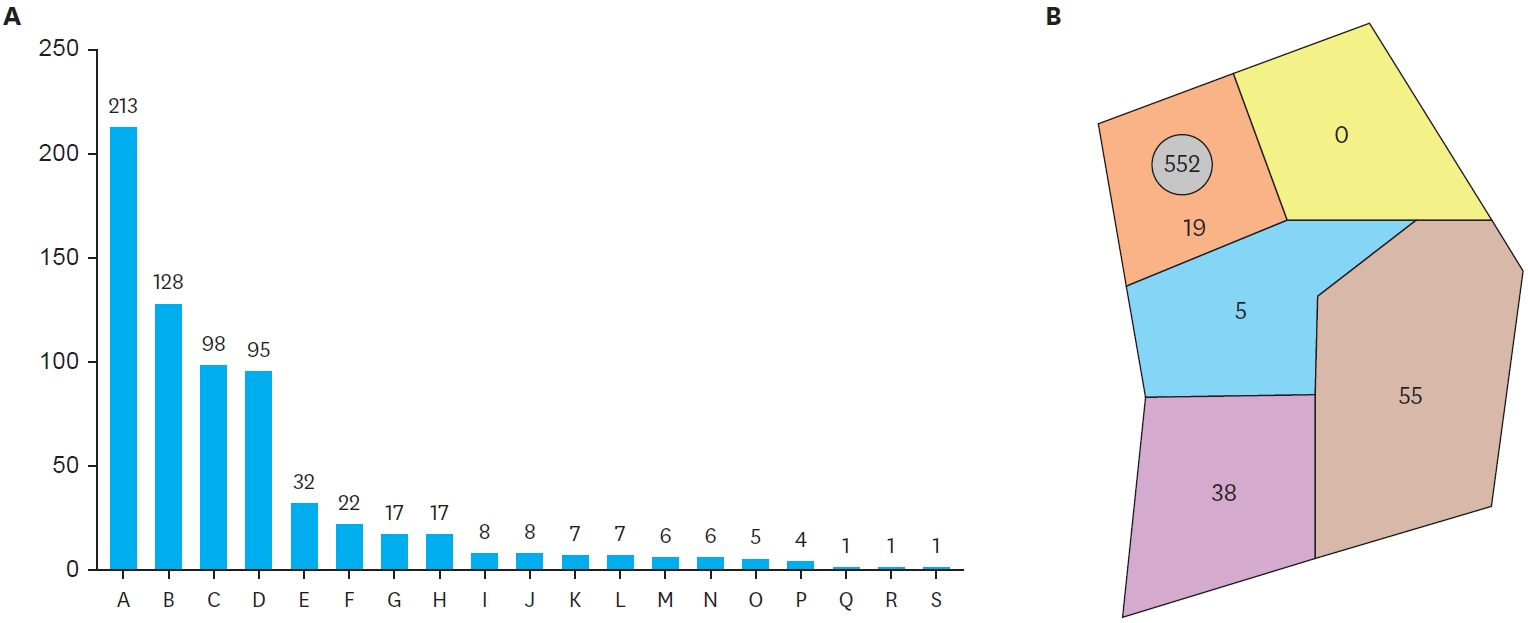
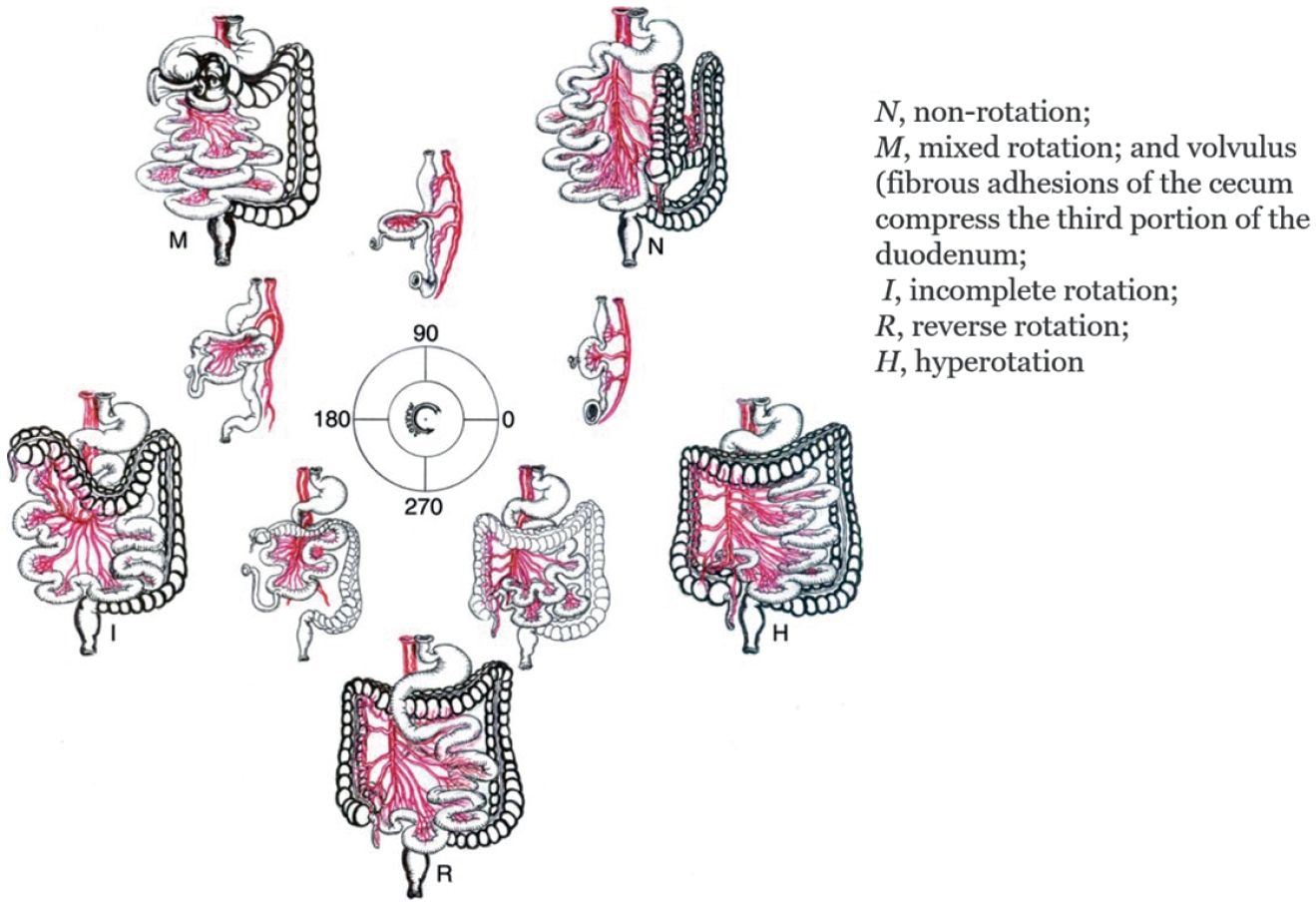
To report the findings of a perception survey on intestinal malrotation conducted by the Korean Association of Pediatric Surgeons (KAPS) in 2021.
Methods
The perceptions on intestinal malrotation regarding clinical decision making of the KAPS members were collected through web-based survey.
Results
A total of 22 surgeons were answered for this study. The results were presented and discussed at the 37th annual meeting of KAPS, which was held in Seoul on June 18, 2021.
Conclusion
This study provides the clinical decisions of the KAPS members on the intestinal malrotation. The study is expected to be an important reference for improving pediatric surgeons’ understanding and treatment of intestinal malrotation.
  • 28 View
  • 2 Download
[English]
A Comparative Study of Three National Surveys on Biliary Atresia by the Korean Association of Pediatric Surgeons
Yeon Jun Jeong, Dayoung Ko, Hyunhee Kwon, Ki Hoon Kim, Dae Yeon Kim, Soo-Hong Kim, Wontae Kim, Hae-Young Kim, Hyun Young Kim, Seong Chul Kim, Younghyun Na, Jung-Man Namgoong, So Hyun Nam, Junbeom Park, Jinyoung Park, Tae-Jun Park, Jeong-Meen Seo, Ji-Young Sul, Joonhyuk Son, Hyun Beak Shin, Joohyun Sim, Soo Min Ahn, Hee Beom Yang, Jung-Tak Oh, Chaeyoun Oh, Joong Kee Youn, Sanghoon Lee, Ju Yeon Lee, Kyong Ihn, Hye Kyung Chang, Eunyoung Jung, Jae Hee Chung, Yu Jeong Cho, Yun Mee Choe, Soo Jin Na Choi, Seok Joo Han, In Geol Ho, Ji-Won Han
Adv Pediatr Surg 2025;31(2):47-58.   Published online July 16, 2025
DOI: https://doi.org/10.13029/aps.2025.31.2.47
Purpose
Biliary atresia (BA) is a rare but progressive cholangiopathy and the leading cause of pediatric liver transplantation worldwide. The Korean Association of Pediatric Surgeons (KAPS) has conducted three national surveys (2001, 2011, and 2023) to assess long-term trends in the diagnosis, treatment, and outcomes of BA. This study provides a comparative analysis of the 2nd and 3rd national surveys, with reference to selected findings from the 1st survey.
Methods
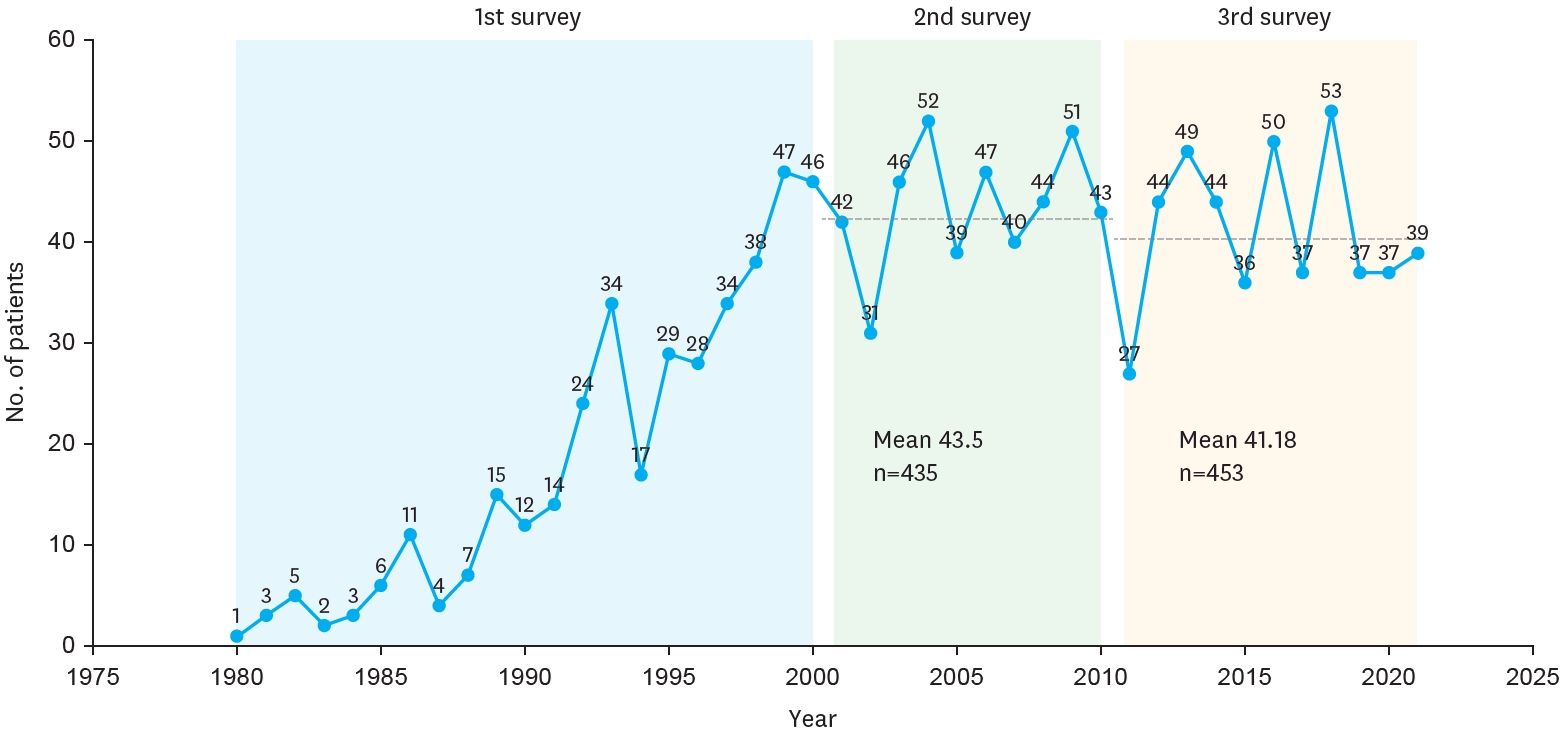
This study included 453 patients from the 3rd national survey (2011–2021) and 435 patients from the 2nd survey (2001–2010), all of whom underwent Kasai portoenterostomy. Data were collected via electronic case report forms from pediatric surgical centers nationwide. Comparisons were made regarding demographics, clinical features, diagnostic patterns, operative details, follow-up outcomes, and survival. Kaplan–Meier analysis was used to evaluate long-term survival.
Results
The mean number of BA patients per year remained stable between surveys (43.5 in the 2nd, 41.18 in the 3rd), though centralization of care increased, with 61.5% of cases managed by two major institutions in the 3rd survey. The median age at surgery decreased, and the use of preoperative imaging (especially magnetic resonance cholangiopancreatography) increased. The 10-year native liver survival rate declined from 59.8% to 53.7%, while overall 10-year survival improved slightly (92.9% to 93.2%). Postoperative complications, such as cholangitis and liver failure, persisted but were better categorized. The 3rd survey also reported improved mortality (4.9%) and reduced follow-up loss (11.5%) compared to the 2nd survey.
Conclusion
While overall survival after Kasai operation has remained high and even improved, native liver survival has slightly declined. The findings reflect earlier diagnosis, more consistent diagnostic imaging, and increasing centralization of care. These trends underscore the importance of long-term nationwide data collection in guiding future strategies for BA management in Korea.
  • 35 View
  • 4 Download
[English]
Comparative Analysis of National Surveys of Intestinal Atresia: A Retrospective Study by the Korean Association of Pediatric Surgeons
Jinyoung Park, Dayoung Ko, Eun-jung Koo, Hyunhee Kwon, Ki Hoon Kim, Dae Yeon Kim, Seong Chul Kim, Soo-Hong Kim, Wontae Kim, HaeYoung Kim, Hyun-Young Kim, So Hyun Nam, Jung-Man Namgoong, Junbeom Park, Taejin Park, Min-Jung Bang, Jeong-Meen Seo, Ji-Young Sul, Joonhyuk Son, Joohyun Sim, Soo Min Ahn, Hee-Beom Yang, Jung-Tak Oh, Chaeyoun Oh, Joong Kee Youn, Sanghoon Lee, Ju Yeon Lee, Kyong Ihn, Hye Kyung Chang, Yeon Jun Jeong, Eunyoung Jung, Jae Hee Chung, Min Jeong Cho, Yun-Mee Choe, Seok Joo Han, In Geol Ho, Jeong Hong
Adv Pediatr Surg 2025;31(1):8-15.   Published online May 28, 2025
DOI: https://doi.org/10.13029/aps.2025.31.1.8
Purpose
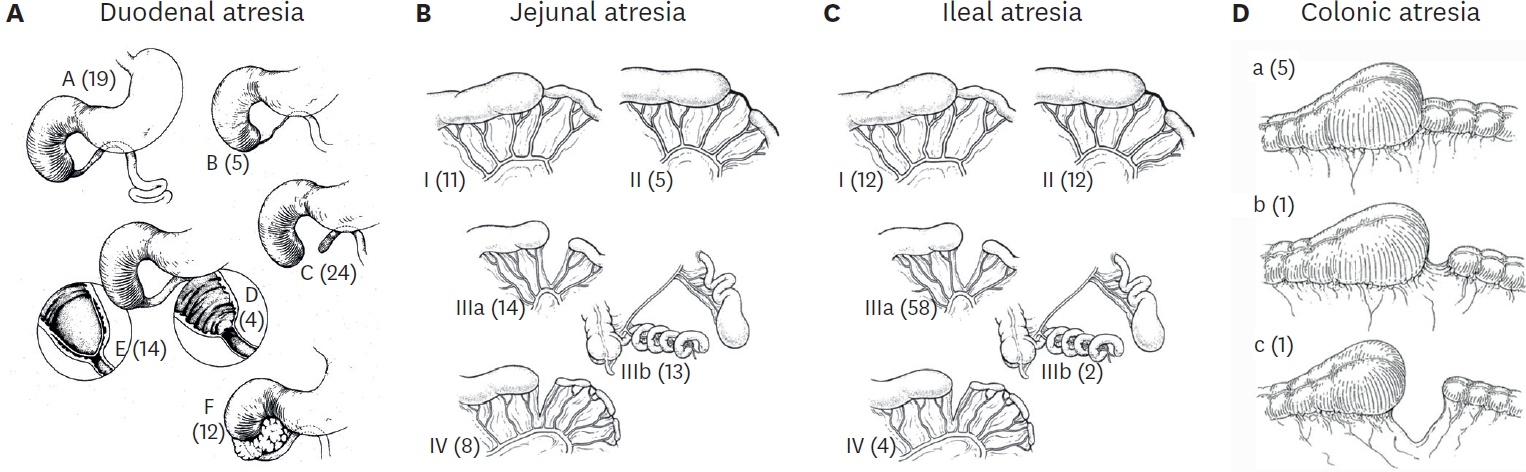
This study aims to investigate and compare the incidence, demographic characteristics, clinical manifestations, preoperative diagnostic methods, anatomical classifications, associated anomalies, operative treatments, and postoperative outcomes of patients with intestinal atresia treated by the members of the Korean Association of Pediatric Surgeons (KAPS) through three nationwide surveys.
Methods
KAPS conducted 3 national surveys in 1998, 2010, and 2024 to examine the patients diagnosed with intestinal atresia. In preparation for the survey, we developed a customized case registration form to obtain data on patient sex, birth weight, gestational age, clinical manifestations, preoperative diagnostic methods, anatomical types, associated anomalies, operative treatments, and postoperative outcomes. Authorized KAPS members completed the case registration form.
Results
The first, second, and third national surveys included 218, 222, and 236 individuals diagnosed with intestinal atresia, respectively. The male-to-female ratios were 1.5:1, 1.1:1, and 1.1:1, respectively. The first, second, and third national surveys revealed that 34.3%, 43.3%, and 53.4% of patients were born before 37 weeks of gestation, respectively. Additionally, 28.7%, 32.0%, and 40.7% of patients had a birth weight under 2,500 g. In the third national survey, duodenoduodenostomy was the most common procedure, performed in 70 out of 82 patients diagnosed with duodenal atresia. Resection and anastomosis were the main surgical procedures conducted in 47 out of 54 cases of jejunal atresia and 74 out of 92 cases of ileal atresia. The mortality rates in the first, second, and third national surveys were 13.8%, 3.6%, and 1.3% respectively, with the lowest rate observed in the third national survey.
Conclusion
These national surveys offer valuable insights into the current state of intestinal atresia, including specific surgical interventions and postoperative outcomes in South Korea. For pediatric surgeons aiming to enhance their understanding of intestinal atresia and its treatment options, these surveys could be an indispensable resource and guide.
  • 28 View
  • 2 Download
[English]
National Survey of Gastroschisis and Omphalocele by Korean Association of Pediatric Surgeons
Yeon Jun Jeong, Dayoung Ko, Eun-Jung Koo, Hyunhee Kwon, Dae Yeon Kim, Soo-Hong Kim, Wontae Kim, Hae-Young Kim, Hyun Young Kim, Seong Chul Kim, Younghyun Na, Jung-Man Namgoong, So Hyun Nam, Sungjoo Park, Junbeom Park, Jinyoung Park, Tae-Jun Park, Jeong-Meen Seo, Ji-Young Sul, Joonhyuk Son, Hyun Beak Shin, Joohyun Sim, Jung-Tak Oh, Chaeyoun Oh, Joong Kee Youn, Sanghoon Lee, Ju Yeon Lee, Cheolgu Lee, Kyong Ihn, Eunyoung Jung, Jae Hee Chung, Yong-Hoon Cho, Yun Mee Choe, Soo Jin Na Choi, Seok Joo Han, In Geol Ho
Adv Pediatr Surg 2024;30(2):39-51.   Published online December 13, 2024
DOI: https://doi.org/10.13029/aps.2024.30.2.39
Purpose
This study provides insights into the prevalence at birth, clinical characteristics, and outcomes of gastroschisis and omphalocele in Korea over the past decade, addressing the lack of localized data despite advanced healthcare capabilities.
Methods
The study retrospectively analyzed data from 20 pediatric surgical centers in Korea from January 2012 to December 2021, including 269 patients diagnosed with gastroschisis or omphalocele. Data variables included gender, gestational age, birth weight, associated anomalies, type of defect, surgical interventions, and outcomes.
Results
The study covered 269 patients, with 80 gastroschisis and 189 omphalocele cases. Gastroschisis prevalence at birth remained stable at 2.15 per 100,000 live births, while omphalocele increased to 5.08 per 100,000. Both conditions had similar gender ratios (0.95). Gastroschisis patients had lower birth weights (2,463.90±505.50 g) and smaller head circumferences (31.97±1.86 cm) compared to omphalocele patients (2,757.65±761.24 g, 32.78±2.64 cm). Omphalocele cases had more associated anomalies, especially cardiovascular issues. Prenatal diagnosis rates were high: 93.7% for gastroschisis and 86.4% for omphalocele. About 96.3% of gastroschisis and 84.1% of omphalocele patients were born in their treatment hospitals. Gastroschisis patients underwent surgery sooner (average 3.5 days) and started feeding later (16.5 days) than omphalocele patients (average 56.5 days to surgery, 6.6 days to start feeding). Hospital stays and follow-up durations were similar, averaging around 782.6 days for gastroschisis and 800.3 days for omphalocele patients. Survival rates were 89.7% for gastroschisis and 87.1% for omphalocele.
Conclusion
The study highlights the need for early diagnosis, centralized care, and specialized surgical approaches to optimize outcomes for gastroschisis and omphalocele patients in Korea. Enhanced prenatal screening and surgical protocols are recommended to improve these patients' prognosis.
  • 21 View
  • 3 Download

Case Report

[English]
The First Case of Endoscopic Balloon Dilatation for a Newborn With a Congenital Duodenal Web in Korea
Seo-Hee Kim, Ju Yeon Lee
Adv Pediatr Surg 2024;30(1):23-27.   Published online May 31, 2024
DOI: https://doi.org/10.13029/aps.2024.30.1.23
Duodenal web (DW) is a rare congenital anomaly of the intestinal tract that can lead to severe dehydration and electrolyte imbalance. A 14-day-old boy presented with recurrent vomiting and weight loss and was diagnosed with DW. Duodenoscopy identified a pinhole structure in the second portion of the duodenum, prompting a subsequent endoscopic balloon dilatation procedure. Following the procedure, vomiting and abdominal distension resolved, and the patient was discharged on a regular diet. No symptoms recurred during follow-up.
  • 21 View
  • 3 Download

Original Articles

[English]
Early Experience of Doxycycline Sclerotherapy for Lymphatic Malformations
Ju Yeon Lee, Jung-Man Namgoong, Seong Chul Kim, Dae Yeon Kim
Adv Pediatr Surg 2019;25(2):44-50.   Published online October 11, 2019
DOI: https://doi.org/10.13029/aps.2019.25.2.44
Purpose

Lymphatic malformations (LMs) are congenital malformations of the lymphatic system which can be effectively treated by sclerotherapy. This study aims to evaluate the efficacy of doxycycline in the treatment of LMs.

Methods

We retrospectively reviewed the medical records of all patients who were diagnosed as LMs and underwent doxycycline sclerotherapy in Asan Medical Center between March 2013 and February 2014. Thirty-five sclerotherapy procedures were performed on 21 patients. The procedures were performed under general anesthesia. After each treatment, the clinical and radiographic response was characterized as complete (≥80% decrease in lesion size), partial (<80% decrease of size), or no response (no decrease of size).

Results

There were 11 male patients and 10 female patients. The median age of sclerotherapy was 21 months (range, 2–180 months). The most common location was cervicofacial (52.3%), followed by extremity (28.6%) and truncal (19.0%). The most common lesion type was macrocystic (71.4%), followed by microcystic (28.5%). There was one (2.8%) skin necrosis which was recovered by wound management. Thirty-eight percent of patients had a complete response, 47.6% of patients had a partial response and 14.3% of patients had no response. Median frequency of treatment was one (range, 1–5). No response group consisted of all microcystic type.

Conclusion

Sclerotherapy with Doxycycline is safe and effective for macrocystic LMs.

  • 8 View
  • 0 Download
[English]
Is Barium Enema Reliable for the Diagnosis of Total Colonic Aganglionosis?
Ju Yeon Lee, Dae Yeon Kim, Jeong Rye Kim, Jung-Man Namgoong, Seong Chul Kim
J Korean Assoc Pediatr Surg 2018;24(1):10-13.   Published online June 30, 2018
DOI: https://doi.org/10.13029/jkaps.2018.24.1.10
Purpose

Barium enema is one of the diagnostic modalities for Hirschsprung'sdisease. The present study aimed to investigate the diagnostic accuracy of barium enema for Hirschsprung's disease, especially total colonic aganglionosis (TCA).

Methods

We retrospectively reviewed the medical records of all the patients who were diagnosed as having TCA and underwent a barium enema in Asan Medical Center Children's Hospital between January 1998 and December 2016. All the tests were performed and reviewed by pediatric radiologists.

Results

Among the total 19 patients with TCA who underwent barium enema, 9 patients (47.4%) had accurate radiographic results. Eight of the 13 neonate patients (61.5%) showed typical TCA radiological findings. However, only one of the 6 patients aged >4 weeks (16.7%) had accurate radiological diagnosis.

Conclusion

Barium enema showed low accuracy for TCA, and its diagnostic performance was better in neonatal period than in those aged >4 weeks.

  • 7 View
  • 0 Download
[English]
Clinical Review of Spontaneous Neonatal Gastric Perforation
Hyunhee Kwon, Ju Yeon Lee, Jung-Man Namgung, Dae Yeon Kim, Seong Chul Kim
J Korean Assoc Pediatr Surg 2017;23(2):37-41.   Published online December 20, 2017
DOI: https://doi.org/10.13029/jkaps.2017.23.2.37
Purpose

Spontaneous neonatal gastric perforation is a rare but fatal disease with unclear etiology. In this study, we reviewed its clinical manifestations, outcomes, and discussed the etiology and prognostic factors.

Methods

There were 12 neonates with gastric perforation in our hospital from 1989 to 2015. Their medical records were reviewed retrospectively including birth record, associated disease, site and size of perforation, type of surgical management, clinical outcome. Also, the prognostic factors were analyzed.

Results

The median gestational age and birth weight was 32 weeks (range, 26-43 weeks; preterm birth rate, 66.7%) and 1,883 g (range, 470-4,400 g), respectively. Five patients had associated gastrointestinal anomalies including esophageal atresia and tracheoesophageal fistula (two patients), midgut volvulus, non-rotation and microcolon, and meconium plug syndrome. The median age at surgery was six days after birth (range, 2-13 days), and the median weight at surgery was 1,620 g (range, 510-3,240 g). Upper third part of stomach was the most frequently involved location of perforation. The size of perforation varied from pin point to involving the whole greater curvature. Primary repairs were done in seven cases, and in five cases, resections of necrotic portion were needed. Mortality rate was 33.3% (n=4), morbidity (re-operation) rate was 16.7% (n=2). The causes of death were sepsis (n=3), and heart failure from Ebstein anomaly (n=1). The median hospital stay was 92.5 days (range, 1-176 days). The factors mentioned as prognostic factors in previous studies showed no significant relations to the mortality and morbidity in our study.

Conclusion

There were improvements of outcomes in patients with large size perforation. As previous studies, we assume these improvements were possible due to the improvements of critical care medicine. Given that rare incidence, a multi-center study can help us get a better understanding of this disease, and a better outcome.

  • 7 View
  • 0 Download
[English]
Laparoscopic Nissen Fundoplication in Children with Neurological Impairment versus Neurologically Normal Children
Yohan Joo, Ju Yeon Lee, Jung Hyun Choi, Jung-Man Namgung, Seong-Chul Kim, Dae Yeon Kim
J Korean Assoc Pediatr Surg 2016;22(2):49-53.   Published online December 22, 2016
DOI: https://doi.org/10.13029/jkaps.2016.22.2.49
Purpose

This study aimed to assess the long-term clinical outcome of laparoscopic Nissen fundoplication (LNF) in children according to their neurologic status.

Methods

The study retrospectively analyzed the data of 82 children (62 neurologically impaired and 20 neurologically normal children with primary gastroesophageal reflux disease) who had undergone LNF between 2003 and 2012. The main outcome measures were the occurrence of recurrence that required reoperation and post-procedure complications such as infections, pneumonia, and gastrointestinal complications including ileus, dysphagia, and delayed gastric emptying.

Results

The median age at the time of the LNF was 25 months (range, 1-192 months), and the median of body weight was 10.0 kg (range, 2.8-37.0 kg). The average weight gain was 1.55±1.68 kg at 6 months, 3.32±2.30 kg at 1 year, and 5.63±4.22 kg at 2 years after surgery. Six (9.7%) of the 62 neurologically impaired patients and two (10.0%) of neurologically normal lost their body weight or had no weight changes. Eight (12.9%) of the 62 neurologically impaired children had required redo surgery because of gastroesophageal reflux disease recurrences, while 2 (10.0%) of the 20 neurologically normal children had experienced recurrences. In the neurologically impaired children, the postoperative complications included pneumonia (n=1), wound infection (n=1), urinary tract infection (n=1), dysphagia (n=1), delayed gastric emptying (n=1), and ileus (n=2). All of these complications were not found in the neurologically normal group, except for only one case of infectious colitis. However, there was no statistically significant difference between the two groups in postoperative complications.

Conclusion

The outcomes of laparoscopic fundoplication were similar in the neurologically impaired children and in the neurologically normal children.

  • 7 View
  • 0 Download
[English]
Single Stage Transanal Endorectal Pull-through Operation for Hirschsprung’s Disease in Neonate: A Single Center Experience
Ju Yeon Lee, Jung Hyun Choi, Jung-Man Namgung, Dae Yeon Kim, Sung-Cheol Kim
J Korean Assoc Pediatr Surg 2016;22(2):38-41.   Published online December 22, 2016
DOI: https://doi.org/10.13029/jkaps.2016.22.2.38
Purpose

The single stage transanal pull-through (SSPT) for Hirschsprung’s disease is becoming the most popular procedure. This single center study compared the result of single stage operation with two-stage operation for Hirschsprung’s disease in neonates.

Methods

We retrospectively reviewed medical records of all patients who were diagnosed as Hirschsprung’s disease and underwent SSPT or two-stage operation operation in Asan Medical Center between January 2003 and July 2014.

Results

There were 17 SSPT and 28 two-stage operation. The mean age of SSPT group was 14.2±7.1 days, and the mean age of two-stage operation group was 15.4±8.6 days for stomy formation, and 188.6±36.3 days for Duhamel operation. The operation time of SSPT was shorter than Duhamel operation (145.0±37.0 minutes vs. 193.0±36.0 minutes, p<0.001). The mean follow-up period of SSPT and two-stage operation was 35.5±34.9 months (range, 2-132 months) and 56.6±35.5 months (range, 1-121 months), respectively. Defecation problem rate such as fecal soiling or fecal impaction showed no significant difference between the two groups (p=0.719). Two SSPT patients required botulinum toxin injection due to rectal stenosis. Three patients of SSPT group underwent re-do endorectal pull-through due to remnant aganglionic or hypoganglionic bowel.

Conclusion

The SSPT showed shorter hospital days. However, few patients experienced rectal stenosis, but were manageable with botulinum toxin injection. The SSPT requires experienced-pathologist, as well as surgeon, because intra-operation pathology reading is critical for appropriate SSPT. SSPT is a feasible and reasonable option to treat Hirschsprung’s disease.

  • 29 View
  • 0 Download