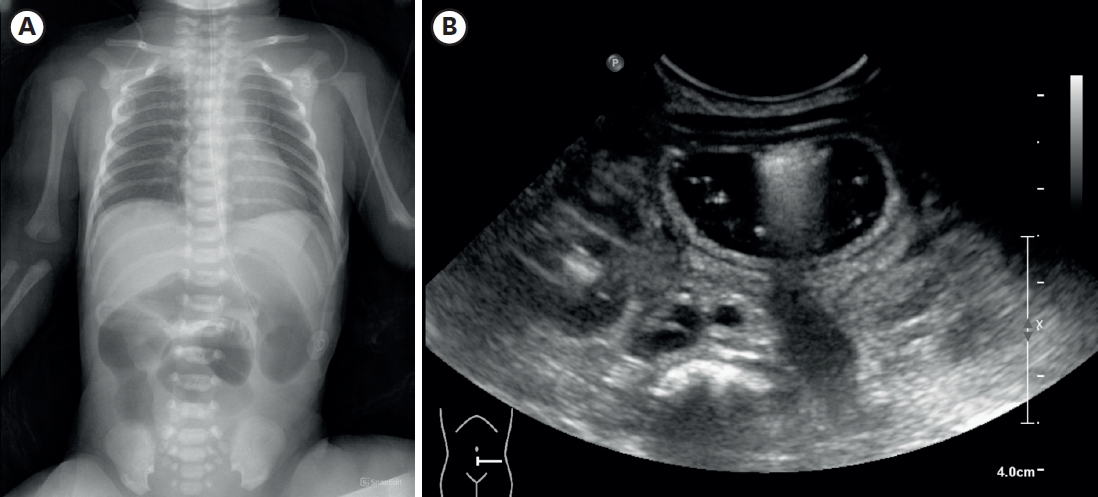
Intestinal failure (IF) is a term used to define the state where intestine’s function is significantly reduced, to the point where adequate growth and hydration cannot be maintained. In such cases, intravenous nutritional support is essential for sustaining the patient’s life. In pediatric patients, the most common cause of IF is short bowel syndrome (SBS). Due to the prolonged treatment and high complication rates, management of SBS remains a continuous challenge to many physicians. Herein, we report the case of a 2,260 g premature female infant born at 35-week gestational age with type 4 jejunoileal atresia. She presented with ultrashort bowel syndrome, having a bowel length of less than 15 cm, but ultimately achieved gut autonomy and restored bowel function through successful intestinal rehabilitation within the first two years of life.
Purpose Increases in intestinal length (IL) in patients with short bowel syndrome (SBS) may differ by age and underlying diseases. This study analyzed the elongation rate of the remnant IL according to underlying disease to establish a therapeutic plan for intestinal rehabilitation. Methods The charts of SBS patients who underwent surgery at our center from 2000 to 2018 were retrospectively reviewed. The enrolled patients included those with a remaining IL less than 25% of the average and those with a remaining IL of approximately 50% who had been administered parenteral nutrition for more than one year. Patients were excluded if they underwent only one operation or two operations with the first being a serial transverse enteroplasty procedure, meaning that base length was not known. Results Ten patients were enrolled. Causes of SBS included total colonic aganglionosis (TCA) in seven patients (70.0%), necrotizing enteritis in two (20.0%), and malrotation/volvulus in one (10.0%). The IL growth rate in the three non-TCA patients was 9-fold higher than the estimated proportion, whereas the growth rate of the IL according to age was significantly lower in the TCA than in the non-TCA group (p=0.01). Conclusion The IL growth rate may differ between TCA and non-TCA patients in SBS. Rehabilitation protocols might consider the underlying disease. Additional larger trials are required to confirm these findings.
Purpose Intense multidisciplinary team effort is required for the intestinal rehabilitation of pediatric patients afflicted with intestinal failure (IF). These include enteral and parenteral nutrition (PN) support, monitoring of complications related to treatment, and considering further medical or surgical options for intestinal adaptation. Methods In the intestinal rehabilitation team (IRT) at our center, we have experienced 25 cases of pediatric IF requiring multidisciplinary intestinal rehabilitation. This study is a retrospective review of the collected medical records. Results Of the 25 subjects treated, 18 were boys and 7 were girls. At the time of referral to the IRT, the mean age was 1.6 years. Median follow-up was 42.9 months. The causes of IF were short bowel syndrome in 18 cases and motility-related in 7 cases. There are 24 patients alive at last follow-up: 12 patients have been weaned off PN, whereas 12 are still dependent on PN. Median time to weaning off PN was 4.8 months. There were 2 cases of IF-associated liver disease. Fifteen cases of central line associated blood stream infections occurred in 9 patients (0.82/1,000 PN days). Conclusion We report the results of multidisciplinary intestinal rehabilitation of pediatric IF patients in a Korean IRT. Further studies are required to improve survival and enteral tolerance of these patients.


 First
First Prev
Prev