

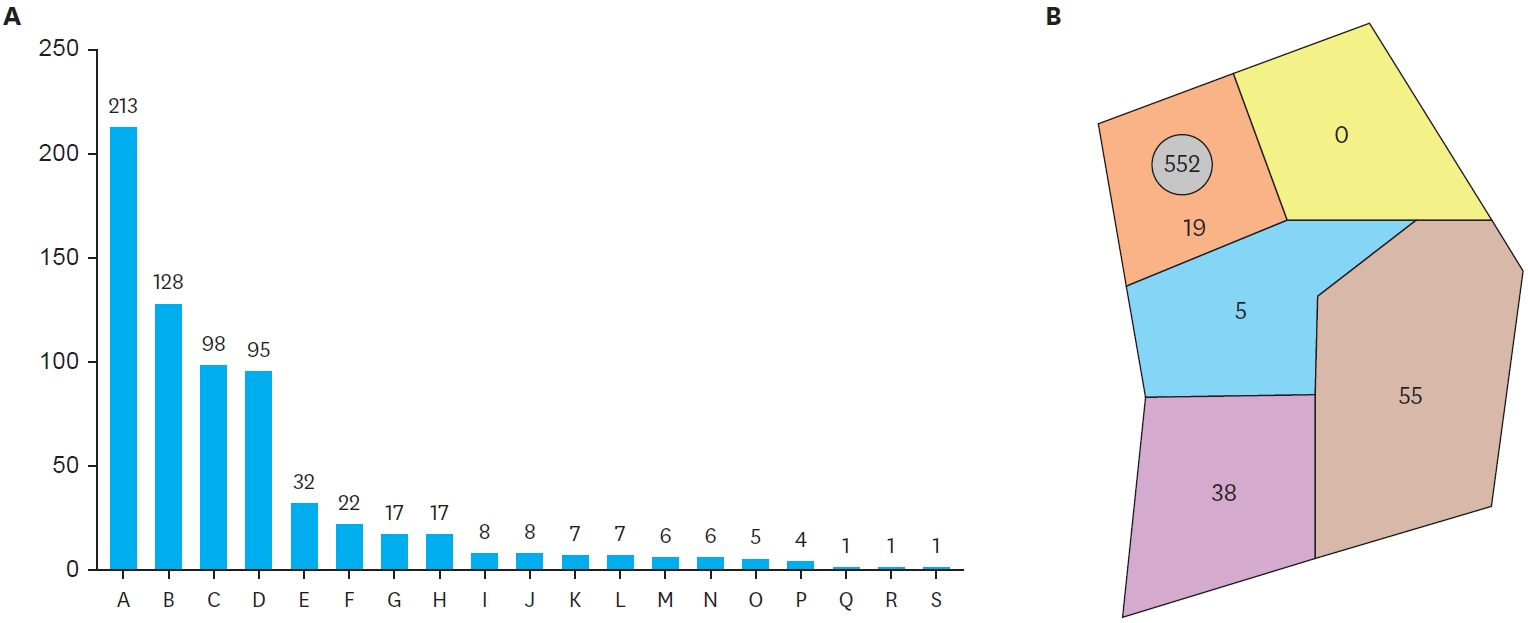
The Korean Association of Pediatric Surgeons (KAPS) performed a nationwide survey on sacrococcygeal teratoma in 2018.
The authors reviewed and analyzed the clinical data of patients who had been treated for sacrococcygeal teratoma by KAPS members from 2008 to 2017.
A total of 189 patients from 18 institutes were registered for the study, which was the first national survey of this disease dealing with a large number of patients in Korea. The results were discussed at the 34th annual meeting of KAPS, which was held in Jeonju on June 21–22, 2018.
We believe that this study could be utilized as a guideline for the treatment of sacrococcygeal teratoma to diminish pediatric surgeons' difficulties in treating this disease and thus lead to better outcomes.
Citations

The present study compared the postoperative analgesic effects of ilioinguinal and iliohypogastric nerve block with infiltration of local anesthetics (bupivacaine) into the wound in children after inguinal hernia repair. Ninety children below 7 years old who were scheduled elective inguinal hernia repair were randomly allocated into one of three groups. The patients in nerve block (NB) group, ilioinguinal and iliohypogastric nerve block was done with 0.5 mL/kg of 0.25% bupivacaine. The patients in infiltration of local anesthetics (LI) group, 0.5 mL/kg of 0.25% bupivacaine was infiltrated into the wound after surgery. The patients in control group were allocated as a Control group. Postoperative pain was assessed at 1, 3, 5, and 24 hours after operation with FLACC scale and additional analgesic consumption were counted. The three groups were not significantly different in age, sex, body weight, and duration of operation. Pain scores at 1 hour and 3 hours after operation were significantly higher in Control group than in NB group and LI group (
Citations
 First
First Prev
Prev