

Skip to main navigation Skip to main content
  • KAPS
  • E-Submission

APS : Advances in Pediatric Surgery

OPEN ACCESS
ABOUT
BROWSE ARTICLES
EDITORIAL POLICY
FOR CONTRIBUTORS

Page Path

24
results for

"Jae Hee Chung"

Article category

Keywords

Publication year

Authors

Funded articles

"Jae Hee Chung"

Original Articles

[English]
Neuroblastoma: A 2020 Survey Conducted by the Korean Association of Pediatric Surgeons
Hee-Beom Yang, Soo Min Ahn, Min Jeng Cho, Yong-Hoon Cho, Soo Jin Na Choi, Yoon Mi Choi, Jae Hee Chung, Seok Joo Han, In Geol Ho, Jeong Hong, Kyong Ihn, Yeon Jun Jeong, Eunyoung Jung, Dae Youn Kim, Hae-Young Kim, Ki Hoon Kim, Seong Chul Kim, Soo-Hong Kim, Eun-Jung Koo, Hyun Hee Kwon, Yong Jae Kwon, Nam-Hyuk Lee, Ju Yeon Lee, Sanghoon Lee, Jung-Man Namgoong, Chaeyoun Oh, Jung-Tak Oh, Jin Young Park, Junbeom Park, Jeong-Meen Seo, Jae Ho Shin, Hyun Beak Shin, Joohyun Sim, Jiyoung Sul, Joon Kee Youn, Hyun-Young Kim
Adv Pediatr Surg 2025;31(2):66-76.   Published online November 25, 2025
DOI: https://doi.org/10.13029/aps.2025.31.2.66
Purpose
To report a nationwide survey on neuroblastoma conducted by the Korean Association of Pediatric Surgeons (KAPS) in 2020.
Methods
The clinical data of pediatric patients diagnosed with and treated for neuroblastoma from 2005 to 2019 in 19 hospitals of KAPS members were collected. Survival and prognostic factor analyses were performed using the log rank test and Cox proportional hazard analysis. A p-value <0.05 was considered significant.
Results
A total of 669 patients with neuroblastoma were registered for the study. The results were presented and discussed at the 36th annual meeting of the KAPS, which was held in Seoul on August 21, 2020.
Conclusion
This study provides information on patient demographics, prognostic outcomes, and comprehensive treatment outcomes for neuroblastoma. The study is expected to be an important reference for improving pediatric surgeons’ understanding and treatment of neuroblastoma.
  • 26 View
  • 2 Download
[English]
Perception on the Intestinal Malrotation: A 2021 Survey Conducted by the Korean Association of Pediatric Surgeons
Hee-Beom Yang, Min Jeng Cho, Yu Jeong Cho, Yoon Mi Choi, Jae Hee Chung, Seok Joo Han, Jeong Hong, Eunyoung Jung, Ki Hoon Kim, Soo-Hong Kim, Cheol-Gu Lee, Nam-Hyuk Lee, Ju Yeon Lee, Sanghoon Lee, Suk Bae Moon, Young-Hyun Na, So Hyun Nam, Chaeyoun Oh, Jin Young Park, Junbeom Park, Tae-Jin Park, Jae Ho Shin, Joonhyuk Son, Hyun-Young Kim, The Korean Association of Pediatric Surgeons
Adv Pediatr Surg 2025;31(2):59-65.   Published online August 5, 2025
DOI: https://doi.org/10.13029/aps.2025.31.2.59
Purpose
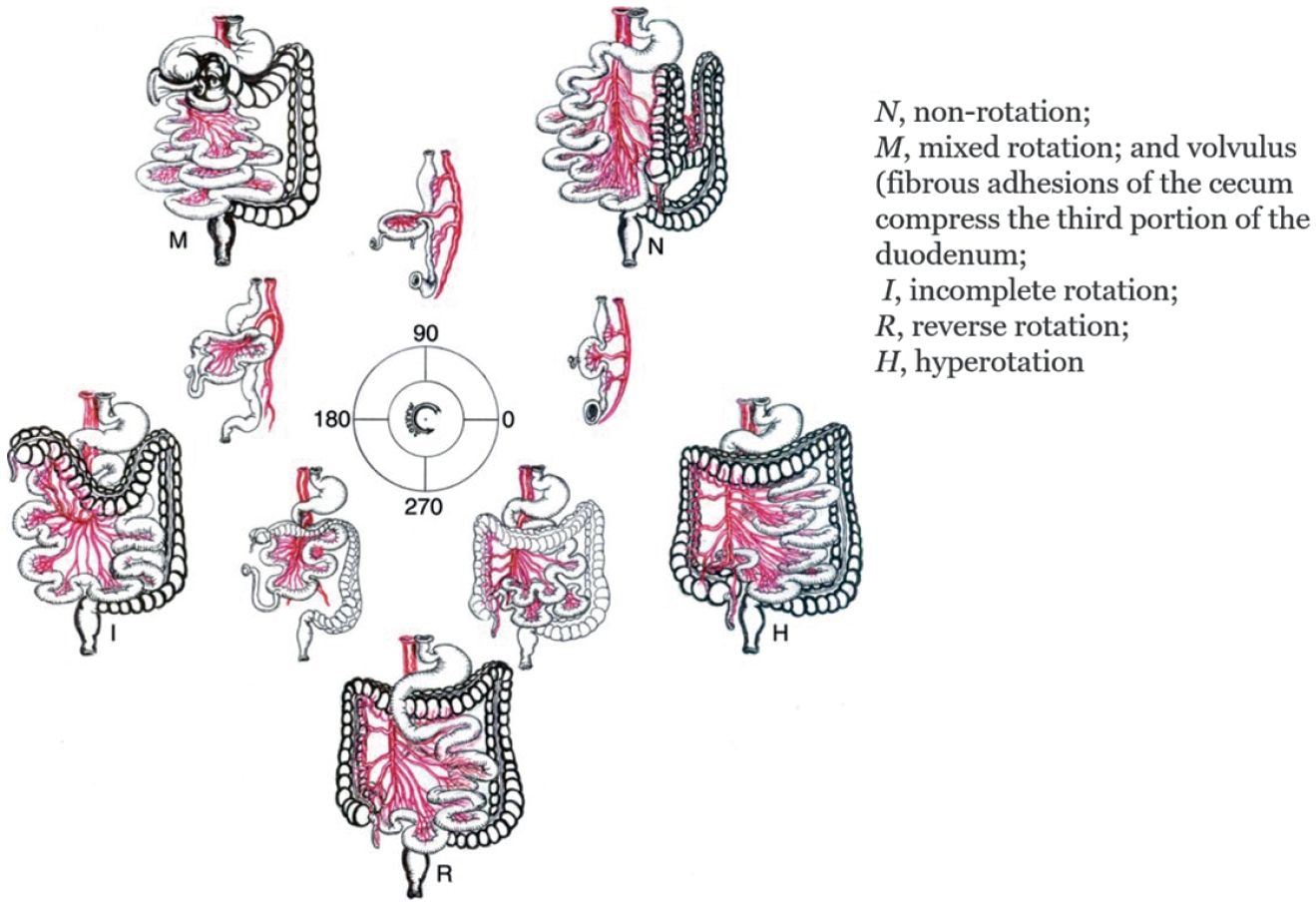
To report the findings of a perception survey on intestinal malrotation conducted by the Korean Association of Pediatric Surgeons (KAPS) in 2021.
Methods
The perceptions on intestinal malrotation regarding clinical decision making of the KAPS members were collected through web-based survey.
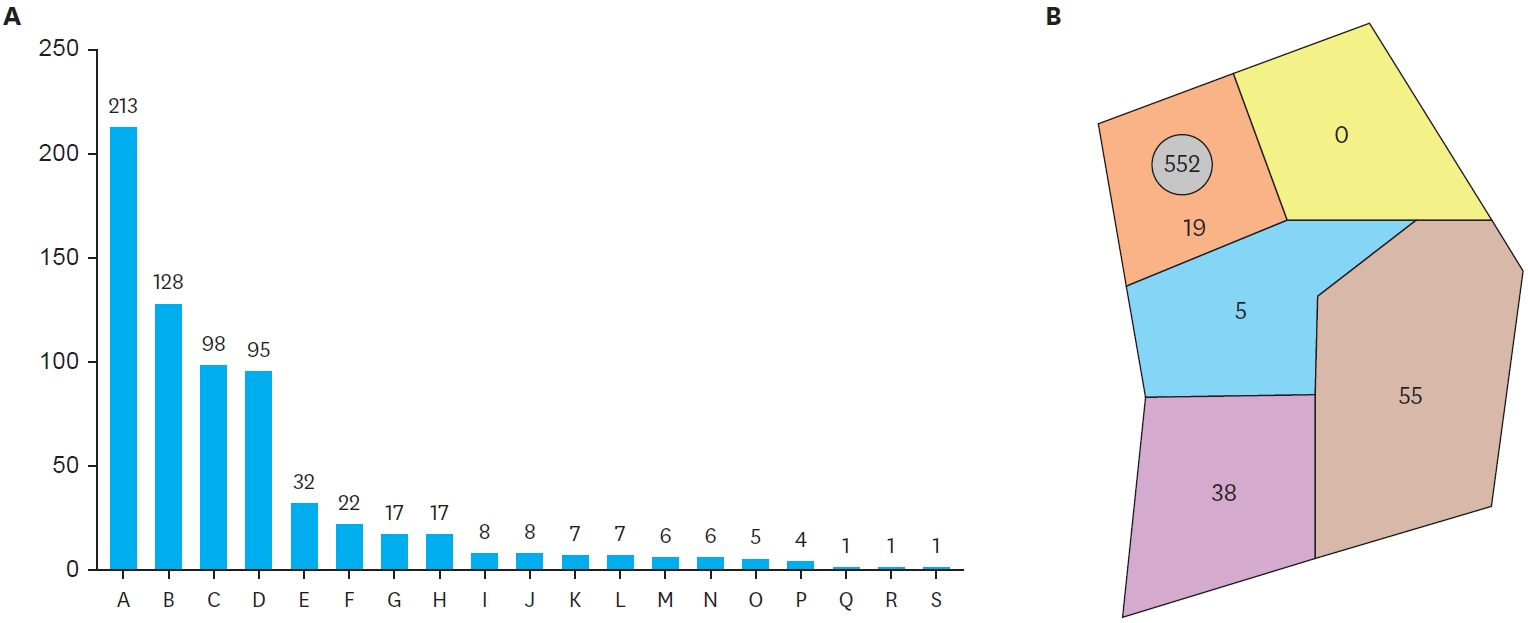
Results
A total of 22 surgeons were answered for this study. The results were presented and discussed at the 37th annual meeting of KAPS, which was held in Seoul on June 18, 2021.
Conclusion
This study provides the clinical decisions of the KAPS members on the intestinal malrotation. The study is expected to be an important reference for improving pediatric surgeons’ understanding and treatment of intestinal malrotation.
  • 28 View
  • 2 Download
[English]
A Comparative Study of Three National Surveys on Biliary Atresia by the Korean Association of Pediatric Surgeons
Yeon Jun Jeong, Dayoung Ko, Hyunhee Kwon, Ki Hoon Kim, Dae Yeon Kim, Soo-Hong Kim, Wontae Kim, Hae-Young Kim, Hyun Young Kim, Seong Chul Kim, Younghyun Na, Jung-Man Namgoong, So Hyun Nam, Junbeom Park, Jinyoung Park, Tae-Jun Park, Jeong-Meen Seo, Ji-Young Sul, Joonhyuk Son, Hyun Beak Shin, Joohyun Sim, Soo Min Ahn, Hee Beom Yang, Jung-Tak Oh, Chaeyoun Oh, Joong Kee Youn, Sanghoon Lee, Ju Yeon Lee, Kyong Ihn, Hye Kyung Chang, Eunyoung Jung, Jae Hee Chung, Yu Jeong Cho, Yun Mee Choe, Soo Jin Na Choi, Seok Joo Han, In Geol Ho, Ji-Won Han
Adv Pediatr Surg 2025;31(2):47-58.   Published online July 16, 2025
DOI: https://doi.org/10.13029/aps.2025.31.2.47
Purpose
Biliary atresia (BA) is a rare but progressive cholangiopathy and the leading cause of pediatric liver transplantation worldwide. The Korean Association of Pediatric Surgeons (KAPS) has conducted three national surveys (2001, 2011, and 2023) to assess long-term trends in the diagnosis, treatment, and outcomes of BA. This study provides a comparative analysis of the 2nd and 3rd national surveys, with reference to selected findings from the 1st survey.
Methods
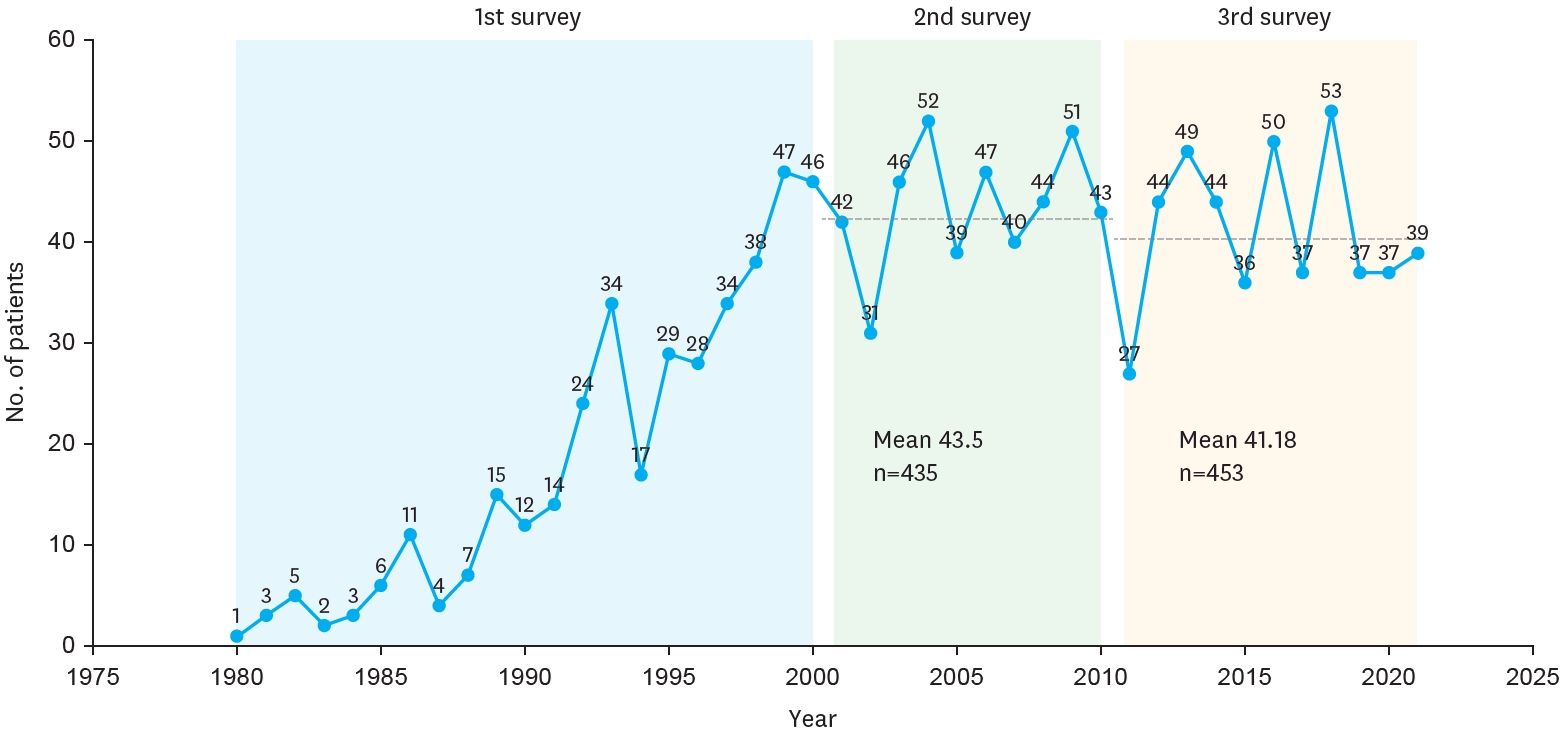
This study included 453 patients from the 3rd national survey (2011–2021) and 435 patients from the 2nd survey (2001–2010), all of whom underwent Kasai portoenterostomy. Data were collected via electronic case report forms from pediatric surgical centers nationwide. Comparisons were made regarding demographics, clinical features, diagnostic patterns, operative details, follow-up outcomes, and survival. Kaplan–Meier analysis was used to evaluate long-term survival.
Results
The mean number of BA patients per year remained stable between surveys (43.5 in the 2nd, 41.18 in the 3rd), though centralization of care increased, with 61.5% of cases managed by two major institutions in the 3rd survey. The median age at surgery decreased, and the use of preoperative imaging (especially magnetic resonance cholangiopancreatography) increased. The 10-year native liver survival rate declined from 59.8% to 53.7%, while overall 10-year survival improved slightly (92.9% to 93.2%). Postoperative complications, such as cholangitis and liver failure, persisted but were better categorized. The 3rd survey also reported improved mortality (4.9%) and reduced follow-up loss (11.5%) compared to the 2nd survey.
Conclusion
While overall survival after Kasai operation has remained high and even improved, native liver survival has slightly declined. The findings reflect earlier diagnosis, more consistent diagnostic imaging, and increasing centralization of care. These trends underscore the importance of long-term nationwide data collection in guiding future strategies for BA management in Korea.
  • 35 View
  • 4 Download
[English]
Comparative Analysis of National Surveys of Intestinal Atresia: A Retrospective Study by the Korean Association of Pediatric Surgeons
Jinyoung Park, Dayoung Ko, Eun-jung Koo, Hyunhee Kwon, Ki Hoon Kim, Dae Yeon Kim, Seong Chul Kim, Soo-Hong Kim, Wontae Kim, HaeYoung Kim, Hyun-Young Kim, So Hyun Nam, Jung-Man Namgoong, Junbeom Park, Taejin Park, Min-Jung Bang, Jeong-Meen Seo, Ji-Young Sul, Joonhyuk Son, Joohyun Sim, Soo Min Ahn, Hee-Beom Yang, Jung-Tak Oh, Chaeyoun Oh, Joong Kee Youn, Sanghoon Lee, Ju Yeon Lee, Kyong Ihn, Hye Kyung Chang, Yeon Jun Jeong, Eunyoung Jung, Jae Hee Chung, Min Jeong Cho, Yun-Mee Choe, Seok Joo Han, In Geol Ho, Jeong Hong
Adv Pediatr Surg 2025;31(1):8-15.   Published online May 28, 2025
DOI: https://doi.org/10.13029/aps.2025.31.1.8
Purpose
This study aims to investigate and compare the incidence, demographic characteristics, clinical manifestations, preoperative diagnostic methods, anatomical classifications, associated anomalies, operative treatments, and postoperative outcomes of patients with intestinal atresia treated by the members of the Korean Association of Pediatric Surgeons (KAPS) through three nationwide surveys.
Methods
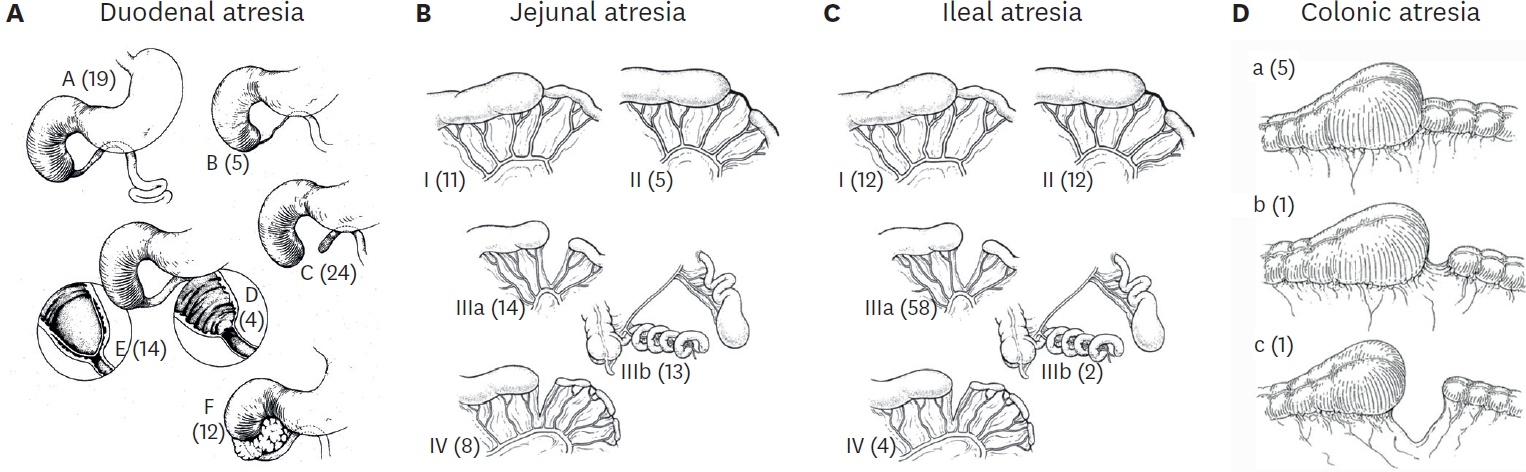
KAPS conducted 3 national surveys in 1998, 2010, and 2024 to examine the patients diagnosed with intestinal atresia. In preparation for the survey, we developed a customized case registration form to obtain data on patient sex, birth weight, gestational age, clinical manifestations, preoperative diagnostic methods, anatomical types, associated anomalies, operative treatments, and postoperative outcomes. Authorized KAPS members completed the case registration form.
Results
The first, second, and third national surveys included 218, 222, and 236 individuals diagnosed with intestinal atresia, respectively. The male-to-female ratios were 1.5:1, 1.1:1, and 1.1:1, respectively. The first, second, and third national surveys revealed that 34.3%, 43.3%, and 53.4% of patients were born before 37 weeks of gestation, respectively. Additionally, 28.7%, 32.0%, and 40.7% of patients had a birth weight under 2,500 g. In the third national survey, duodenoduodenostomy was the most common procedure, performed in 70 out of 82 patients diagnosed with duodenal atresia. Resection and anastomosis were the main surgical procedures conducted in 47 out of 54 cases of jejunal atresia and 74 out of 92 cases of ileal atresia. The mortality rates in the first, second, and third national surveys were 13.8%, 3.6%, and 1.3% respectively, with the lowest rate observed in the third national survey.
Conclusion
These national surveys offer valuable insights into the current state of intestinal atresia, including specific surgical interventions and postoperative outcomes in South Korea. For pediatric surgeons aiming to enhance their understanding of intestinal atresia and its treatment options, these surveys could be an indispensable resource and guide.
  • 28 View
  • 2 Download

Case Report

[English]
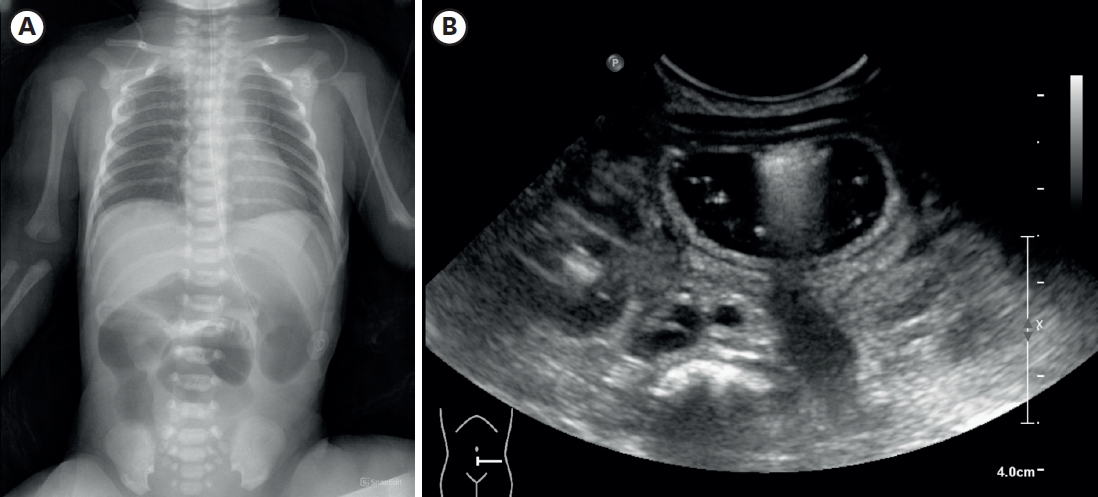
Intestinal failure (IF) is a term used to define the state where intestine’s function is significantly reduced, to the point where adequate growth and hydration cannot be maintained. In such cases, intravenous nutritional support is essential for sustaining the patient’s life. In pediatric patients, the most common cause of IF is short bowel syndrome (SBS). Due to the prolonged treatment and high complication rates, management of SBS remains a continuous challenge to many physicians. Herein, we report the case of a 2,260 g premature female infant born at 35-week gestational age with type 4 jejunoileal atresia. She presented with ultrashort bowel syndrome, having a bowel length of less than 15 cm, but ultimately achieved gut autonomy and restored bowel function through successful intestinal rehabilitation within the first two years of life.
  • 30 View
  • 2 Download

Original Articles

[English]
National Survey of Gastroschisis and Omphalocele by Korean Association of Pediatric Surgeons
Yeon Jun Jeong, Dayoung Ko, Eun-Jung Koo, Hyunhee Kwon, Dae Yeon Kim, Soo-Hong Kim, Wontae Kim, Hae-Young Kim, Hyun Young Kim, Seong Chul Kim, Younghyun Na, Jung-Man Namgoong, So Hyun Nam, Sungjoo Park, Junbeom Park, Jinyoung Park, Tae-Jun Park, Jeong-Meen Seo, Ji-Young Sul, Joonhyuk Son, Hyun Beak Shin, Joohyun Sim, Jung-Tak Oh, Chaeyoun Oh, Joong Kee Youn, Sanghoon Lee, Ju Yeon Lee, Cheolgu Lee, Kyong Ihn, Eunyoung Jung, Jae Hee Chung, Yong-Hoon Cho, Yun Mee Choe, Soo Jin Na Choi, Seok Joo Han, In Geol Ho
Adv Pediatr Surg 2024;30(2):39-51.   Published online December 13, 2024
DOI: https://doi.org/10.13029/aps.2024.30.2.39
Purpose
This study provides insights into the prevalence at birth, clinical characteristics, and outcomes of gastroschisis and omphalocele in Korea over the past decade, addressing the lack of localized data despite advanced healthcare capabilities.
Methods
The study retrospectively analyzed data from 20 pediatric surgical centers in Korea from January 2012 to December 2021, including 269 patients diagnosed with gastroschisis or omphalocele. Data variables included gender, gestational age, birth weight, associated anomalies, type of defect, surgical interventions, and outcomes.
Results
The study covered 269 patients, with 80 gastroschisis and 189 omphalocele cases. Gastroschisis prevalence at birth remained stable at 2.15 per 100,000 live births, while omphalocele increased to 5.08 per 100,000. Both conditions had similar gender ratios (0.95). Gastroschisis patients had lower birth weights (2,463.90±505.50 g) and smaller head circumferences (31.97±1.86 cm) compared to omphalocele patients (2,757.65±761.24 g, 32.78±2.64 cm). Omphalocele cases had more associated anomalies, especially cardiovascular issues. Prenatal diagnosis rates were high: 93.7% for gastroschisis and 86.4% for omphalocele. About 96.3% of gastroschisis and 84.1% of omphalocele patients were born in their treatment hospitals. Gastroschisis patients underwent surgery sooner (average 3.5 days) and started feeding later (16.5 days) than omphalocele patients (average 56.5 days to surgery, 6.6 days to start feeding). Hospital stays and follow-up durations were similar, averaging around 782.6 days for gastroschisis and 800.3 days for omphalocele patients. Survival rates were 89.7% for gastroschisis and 87.1% for omphalocele.
Conclusion
The study highlights the need for early diagnosis, centralized care, and specialized surgical approaches to optimize outcomes for gastroschisis and omphalocele patients in Korea. Enhanced prenatal screening and surgical protocols are recommended to improve these patients' prognosis.
  • 21 View
  • 3 Download
[English]
Comparative Analysis of Two National Surveys on Esophageal Atresia With or Without Tracheoesophageal Fistula: A Retrospective Study by the Korean Association of Pediatric Surgeons
Jinyoung Park, Dae Yeon Kim, Seong Chul Kim, Hyun-Young Kim, So Hyun Nam, Jeong-Meen Seo, Jung-Tak Oh, Myung-Duk Lee, Suk-Koo Lee, Soo Min Ahn, Hye Kyung Chang, Sung Eun Jung, Yeon Jun Jeong, Eunyoung Jung, Jae Hee Chung, Yong Hoon Cho, Soon Ok Choi, Seung Hoon Choi, Yun Mee Choe, Seok Joo Han, Jeong Hong, Nam-Hyuk Lee
Adv Pediatr Surg 2024;30(1):1-8.   Published online May 31, 2024
DOI: https://doi.org/10.13029/aps.2024.30.1.1
Purpose
The Korean Association of Pediatric Surgeons (KAPS) conducts annual nationwide surveys on various aspects of pediatric surgical diseases, with the results being discussed during KAPS’s annual spring meetings.
Methods
KAPS conducted two national surveys, in 1995 and 2016, to investigate esophageal atresia (EA) with or without tracheoesophageal fistula (TEF). The authors analyzed data from these surveys to identify differences or changes in the annual occurrence, demographic characteristics, clinical presentation, preoperative diagnostic methods, anatomical type, associated anomalies, surgical treatment, and postoperative outcomes among patients with EA/TEF treated by KAPS members.
Results
The first and second national surveys included 148 and 211 patients with EA/TEF, respectively. Excessive salivation was the most prevalent clinical symptom in both surveys. Type C was the most common form of EA/TEF in both surveys. The first survey included 126 patients, all of whom underwent open surgery. In the second survey, 152 (78.4%) of 194 patients underwent open surgery, while 34 (17.5%) underwent thoracoscopic surgery. Primary esophageal repair was performed on 96 (76.2%) of 126 patients in the first survey and on 160 (82.5%) of 194 patients in the second survey. Anastomotic strictures developed in 21.4% and 32.5% of patients, anastomotic leakage in 22.2% and 10.3%, recurrent fistula in 2.4% and 4.2% during the first and second surveys, respectively. The respective survival rates for group A were 90.2% and 98.3% in the first and second surveys. For group B, the rates were 73.9% and 98.1%, and for group C, they were 34.5% and 68.1%, respectively, according to the Waterston classifications.
Conclusion
These nationwide surveys provide comprehensive information on the status, detailed treatment, and outcomes for Korean pediatric patients with EA/TEF. They are anticipated to be an invaluable resource and guide for pediatric surgeons seeking to expand their knowledge on EA/TEF and its treatment options.
  • 54 View
  • 3 Download
[English]
Sacrococcygeal Teratoma: A Survey by the Korean Association of Pediatric Surgeons in 2018
Jung-Tak Oh, Hye Kyung Chang, Min Jeong Cho, Yong Hoon Cho, Soo Jin Na Choi, Yoon Mi Choi, Jae Hee Chung, Sang Young Chung, Jeong Hong, Seok Joo Han, Yeon Jun Jeong, Eunyoung Jung, Kyuhwan Jung, Dae Youn Kim, Hae-Young Kim, Hyun-Young Kim, Ki Hoon Kim, Sang Youn Kim, Seong Chul Kim, Seong Min Kim, Soo-Hong Kim, Jong-In Lee, Myung-Duk Lee, Nam-Hyuk Lee, Suk-Koo Lee, So Hyun Nam, Jin Young Park, Kwi-Won Park, Tae-Jin Park, Jeong-Meen Seo, Jae Ho Shin, Jiyoung Sul
Adv Pediatr Surg 2019;25(2):35-43.   Published online December 18, 2019
DOI: https://doi.org/10.13029/aps.2019.25.2.35
Purpose

The Korean Association of Pediatric Surgeons (KAPS) performed a nationwide survey on sacrococcygeal teratoma in 2018.

Methods

The authors reviewed and analyzed the clinical data of patients who had been treated for sacrococcygeal teratoma by KAPS members from 2008 to 2017.

Results

A total of 189 patients from 18 institutes were registered for the study, which was the first national survey of this disease dealing with a large number of patients in Korea. The results were discussed at the 34th annual meeting of KAPS, which was held in Jeonju on June 21–22, 2018.

Conclusions

We believe that this study could be utilized as a guideline for the treatment of sacrococcygeal teratoma to diminish pediatric surgeons' difficulties in treating this disease and thus lead to better outcomes.

  • 8 View
  • 0 Download

Case Report

[English]
Two Cases of Pyriform Sinus Cyst in Neonates: Importance of Early Recognition and Differential Diagnosis
Mi Hae Chung, So Young Kim, Gye-Yeon Lim, Jae Hee Chung
Adv Pediatr Surg 2018;24(2):100-106.   Published online December 13, 2018
DOI: https://doi.org/10.13029/aps.2018.24.2.100

Early suspicion is essential in diagnosing pyriform sinus cysts. We report two neonatal cases of pyriform sinus cysts presented as neck masses. The first case presented as a right neck mass, which made it more difficult to suspect a pyriform sinus cyst considering the prevalence of left sided cysts. Surgical resection was done in both cases and anatomical investigation suggested both to originate from the fourth branchial pouch. Detection of air bubble containing mass on imaging studies can aid early diagnosis and early use of gastric tube feeding can facilitate treatment by preventing milk contamination which may result in infection of the sinus cyst.

  • 10 View
  • 0 Download

Original Articles

[English]
Cause of Abdominal Ultrasound Diagnostic Errors in Children with Acute Appendicitis
Yoo Mi Kim, Jae Hee Chung
J Korean Assoc Pediatr Surg 2016;22(2):33-37.   Published online December 22, 2016
DOI: https://doi.org/10.13029/jkaps.2016.22.2.33
Purpose

The use of CT as a diagnostic tool in pediatric acute appendicitis is increasing because of its high sensitivity and specificity. However, due to both the serious concerns about radiation of CT and the convenience and reasonable cost of ultrasound (US) examination, US has value on the initial diagnosis of acute appendicitis despite of the lower sensitivity in children. The purpose of this study was to examine the factors that affect the rate of false negative diagnosis of the ultrasound from the patients who received laparoscopic appendectomy.

Methods

The pediatric appendectomy cases from 2002 to 2013 in Yeouido St. Mary's Hospital have been reviewed through the medical records. We included patients who underwent an initial screening by ultrasound examination.

Results

Among 181 patients, 156 patients were the sono-positive group and 25 patients were sono-negative group. There is no significant difference in ages, genders, physical examination findings and white blood cell count between the two groups. But, the degree of inflammation of appendicitis (simple, 58.3% vs. 32.0%; complicated, 41.7% vs. 68.0%) and the appendix position (antececal, 85.0% vs. 12.0%; retrocecal, 13.7% vs. 44.0%; pelvic, 1.3% vs. 44.0%) were significantly different between the two groups (sono-positive group vs. sono-negative group; p<0.05).

Conclusion

The position of the appendix may act as a factor that causes an error in the diagnostic ultrasound, especially, in the retrocecal type and the pelvic type with the higher risk of necrosis or perforation.

  • 7 View
  • 0 Download
[English]

Use of laparoscopic appendectomy (LA) for perforated appendicitis (PA) in children remains controversial because of the development of postoperative intra-abdominal abscess formation. We developed the irrigation method for the prevention of abscess formation after LA performed for PA in children with severe panperitonitis. We called it ‘the shaking irrigation’. The object of this study was to analyze the efficacy of this irrigation method. All cases of PA with severe panperitonitis in children that underwent LA with massive shaking irrigation and drainage between June 2003 and December 2007 were studied retrospectively. We included only PA with panperitonitis and large amounts of purulent ascites throughout the abdomen as well as an inflamed small bowel with ileus. Thirty-four children were involved in this study. The mean patient age was eight years. The mean amount of irrigation fluid was 8.2L (range: 4-15L). The mean operative time was 89.5 min. The mean length of the hospital stay was 5.1 days. There were no postoperative intra-abdominal abscesses. There was no conversion to open surgery. In conclusion, Use of LA in PA with severe panperitonitis in children is safe and effective. Massive shaking irrigation and abdominal drainage appears to prevent intra-abdominal abscesses after LA for PA with panperitonitis.

  • 3 View
  • 0 Download
[English]
Outcome of Patients Undergoing Kasai Procedure for Biliary Atresia: a Study of Those Surviving More Than 10 Years with Their Native Livers
Byung Hun Yim, Young Tack Song, Jae Hee Chung
J Korean Assoc Pediatr Surg 2008;14(2):125-133.   Published online December 31, 2008
DOI: https://doi.org/10.13029/jkaps.2008.14.2.125

To evaluate the long-term prognosis of biliary atresia after Kasai operation, a total of 14 patients (of the 41 patients operated upon from 1982 to 1997), who had been followed up for more than 10 years, were included in this retrospective study. Eleven out of 14 patients survived with their native livers, and their data analyzed for age at operation, clearing time of jaundice, histological outcome, postoperative complications, effectiveness after the application of an intussusception anti-reflex valve, and quality of life. Average age at surgery was 62.8 days. Serum bilirubin was normalized within three months in all patients. Six among the eleven long-term survivors had ascending cholangitis as one of the postoperative complications. The application of an intussusception anti-reflux valve did not show any statistical significance in long-term survival. Most of long-term survivors appeared to enjoy good quality of life. Kasai operation might not be the definitive treatment for biliary atresia; however, Kasai operation made it possible to achieve long-term survival for patients with biliary atresia when the patients were detected and treated as early as possible.

  • 5 View
  • 0 Download
[English]
Esophageal Atresia with Tracheoesophageal Fistula: A 20 Year Experience of 51 Cases
Jae Hyun Han, Jae Hee Chung, Young Tack Song
J Korean Assoc Pediatr Surg 2008;14(1):1-11.   Published online June 30, 2008
DOI: https://doi.org/10.13029/jkaps.2008.14.1.1

The aim of this study is to analyze the outcomes of the esophageal atresia with tracheoesophageal fistula over the last 2 decades. The records of 51 patients born between 1987 and 2006 were reviewed. Twenty-seven patients were male. Mean values of the age, gestational age and birth weight were 2.9 days, 296 days and 2.7kg, respectively. All patients had Gross type C anomalies. Thirty-one patients (60.7 %) had one or more associated congenital anomalies and the most common anomaly was cardiac malformation. In 48 cases, primary anastomosis was done and staged operation was done in one case. Circular myotomies in the proximal esophagus were performed in 9 cases. Postoperative complication developed in 26 cases (54 %): pulmonary complication in 12 cases, anastomotic leakage in 10 and anastomotic stricture in 10, recurrent trachoesophageal fistula in one and tracheomalasia in 2 cases. Reoperation was carried out in 2 patients with anastomotic leaks, the remaining leaks were managed non operatively. Three of the strictures were reoperated upon and the others were successfully managed by balloon dilatations. Overall mortality rate was 15.6 %. Mortality rate of the second 10 years (8 %) period decreased significantly compared to that of the first 10 years (23 %) period.

  • 2 View
  • 0 Download
[English]
Clinical Analysis of Vitelline Duct Anomalies in Children
Seong Jip Kim, Jae Hee Chung, Young Tack Song
J Korean Assoc Pediatr Surg 2007;13(1):37-44.   Published online June 30, 2007
DOI: https://doi.org/10.13029/jkaps.2007.13.1.37

A vitelline duct (VD) anomaly is a relatively common congenital abnormality of the umbilical area. The anomalies include patent vitelline duct (PVD), cyst, fistula or sinus. The incidence is approximately 2% of the populations, but development of symptoms is rare. Recently, we experienced two cases; PVD accompanied by a smallomphalocele and intestinal volvulus due to mesenteric band between Meckel's diverticulum and the mesentery. Thereafter,we evaluated the data of vitelline duct anomalies for 27 years. From 1980 to 2006, 18 cases of VD anomalies were reviewed based on the hospital records retrospectively. There were 15 boys and 3 girls and age ranged from 2 days to 15 years. Among the 18 cases, 15 cases were symptomatic and consisted of Meckel's diverticulum (10 cases), PVD (4 cases) and umbilical polyp (1 case). Three asymptomatic cases of Meckel's diverticulum were found incidentally were and were observed without resection. Ten cases of Meckel's diverticulum were presented with intestinal bleedings (4 cases), intestinal obstructions (5 cases) and perforation (1 case). Wedge resections and segmental resections of ileum were performed in 8 patients and 2 patients, respectively. Postoperative complications were adhesive ileus (1 case) and wound seroma (1 case). Small omphaloceles were accompanied in two of 4 PVD patients. There was 1 small omphalocele case which was accompanied by a prolapse of ileum. In summary, VD anomalies were more common in male and more than half of them were found in patients less than 1 year of age. PVD was diagnosed most frequently in neonates. Meckel's diverticulum presented with intestinal obstruction more frequently than bleeding.

  • 6 View
  • 0 Download
[English]
Experience with Tapering Enteroplasty in Intestinal Atresia
Jae Hee Chung, Soo Hong Kim, Young Tack Song
J Korean Assoc Pediatr Surg 2007;13(1):23-29.   Published online June 30, 2007
DOI: https://doi.org/10.13029/jkaps.2007.13.1.23

Tapering enteroplasty was first described by Thomas in 1969 as one method of intestinal anastomosis. The advantages of tapering enteroplasty in the intestinal atresia are: First, it makes end-to-end anastomosis possible between the atretic bowel ends with considerable differences in diameters. Second, it promotes the recover of the postoperative bowel function. Third, it prevents the possibility of the short bowel syndrome by eliminating the need of resecting the dilated bowel. A total of 22 patients with intestinal atresia who underwent tapering enteroplasty from January 1988 to December 2005 at our institute were reviewed. In 3 of 22 cases, tapering enteroplasty was the 2nd operation after an initial end-to-oblique anastomosis. We reviewed the following items: age, sex, type and location of intestinal atresia, initial feeding and total enteral feeding start day, the length of hospital stay and complications. The average age of the patients was 7 days. Male to female ratio was 1 to 1.2 (10 cases: 12 cases). We performed the tapering enteroplasty on all types and locations of the intestinal atresia from the duodenum to the colon: type I (n=3), type II (n=4), type IIIA (n=7), type IIIB (n=5), type IIIB and IV (n=1), type IV (n=1) and type C (duodenum) and type IIIB and IV (jejunum). On the average, the oral feeds were started on the postoperative 8.8th day, and full caloric intake via the enteric route was achieved on postoperative 13.3th day. The average length of hospital stay was 19.6 days. There were 1 case (4.5 %) of anastomotic complication and 2 cases (9 %) of adhesive ileus among 22 patients. The tapering enteroplasty on all types of intestinal atresia is a usefull operative method when there are considerable diameter differences between the atretic bowel ends.

  • 5 View
  • 0 Download

Case Report

[English]
Hereditary Pancreatitis: Report of a Kindred
Hyoung Ran Kim, Jae Hee Chung, Young Tack Song, Won Jae Yoon, Ji Kon Ryu, Yong Tae Kim
J Korean Assoc Pediatr Surg 2006;12(1):24-31.   Published online June 30, 2006
DOI: https://doi.org/10.13029/jkaps.2006.12.1.24

Hereditary pancreatitis (HP) appears as an autosomal dominant trait. If the patient has (1) more than 2 affected relatives in different generations and (2) no known etiological factors such as alcohol or gallstones, or has R122H or N29I mutation in the cationic trypsinogen (CT) gene, the diagnosis of HP can be applied. Risk of pancreatic cancer is estimated to be 53-fold higher than in a general population after the age of 50 years. We report a kindredof HP, involving three of its family together; two siblings (14 years old, 13 years old) and cousin (26 years old). The patient had complicating chronic pancreatitis and pancreatic stone, and was treated with amodified Puestow-Gillesby procedure. Her sisters showed chronic pancreatitis. Her cousin underwent a drainage procedure of the pancreatic duct for chronic pancreatitis during the high school period. All the three members showed the R122H mutation of the CT gene.

  • 6 View
  • 0 Download

Original Articles

[English]
Biliary Atresia with Extrahepatic Biliary Cyst
Jae Hee Chung, Han Hong Lee, Seon Wook Cha, Young Tack Song
J Korean Assoc Pediatr Surg 2004;10(2):136-141.   Published online December 31, 2004
DOI: https://doi.org/10.13029/jkaps.2004.10.2.136

Biliary atresia (BA) with extrahepatic biliary cysts (EHBC) is a rare disease. It has been generally recognized as type I (correctable with cystic dilatation), which means a good prognosis. From a total of 73 patients with BA who underwent operation from September 1988 to September 2003 at our institute, 7 (9.6 %) cases of type III BA with EHBC (uncorrectable with cystic dilatation) are reviewed. Clinical findings, laboratory data, radiologic findings, treatment methods and outcomes were reviewed. Female was more prevalent (male to female ratio; 2:5). All cases were type III with EHBC according to the intraoperative cholangiography, and underwent Kasai's portoenterostomy. The mean age was 57 days at operation. Three patients(42.9 %) are long term survivors. Further evaluation is needed to determine the correlation between prognostic factors and outcome for.

  • 4 View
  • 0 Download
[English]
The Adequacy of Laparoscopic Appendectomy for Simple and Perforated Appendicitis in Children
Mee Ra Kim, Jae Hee Chung, Eung Kook Kim, Young Tack Song
J Korean Assoc Pediatr Surg 2004;10(2):127-130.   Published online December 31, 2004
DOI: https://doi.org/10.13029/jkaps.2004.10.2.127

Appendectomy is the most common emergency surgical operation in children. The laparoscopic treatment of pediatric appendicitis is controversial, particularly in complicated cases. The purpose of this study is to evaluate laparoscopic appendectomy (LA) and open appendectomy (OA) for simple and perforated appendicitis (SA, PA) in children. A total of 188 patients, operated from January 1992 to September 2003, were reviewed. Ninety-one patients underwent OA (65 SA and 26 PA) and 97 had LA ( 67 SA, 30 PA). There was one conversion of LA to OA in PA. Operative time for LA was longer for OA in PA (55.8 vs. 45.7 min; p=0.0467). Recovery of bowel movement, diet starting time, length of hospital stay for LA were significantly shorter than those for OA. Postoperative complication rate was not different between LA and OA in each group. Laparoscopic appendectomy is a safe and effective method for both simple and perforated appendicitis.

  • 6 View
  • 0 Download
[English]
A Clinical Score and Ultrasonography for the Diagnosis of Childhood Acute Appendicits
Jae Hee Chung, Su Youn Jeon, Young Tack Song
J Korean Assoc Pediatr Surg 2004;10(2):117-122.   Published online December 31, 2004
DOI: https://doi.org/10.13029/jkaps.2004.10.2.117

Diagnosis of acute appendicitis in children is sometimes difficult. The aim of this study is to validate a clinical scoring system and ultrasonography for the early diagnosis and treatment of appendicitis in childhood. This is a prospective study on 59 children admitted with abdominal pain at St. Mary's Hospital, the Catholic University of Korea from July 2002 to August 2003. We applied Madan Samuel's Pediatric Appendicitis Score (PAS) based on preoperative history, physical examination, laboratory finding and ultrasonography. This study was designed as follows: patients with score 5 or less were observed regardless of the positive ultrasonographic finding, patients with score 6 and 7 were decided according to the ultrasonogram and patients above score 8 were operated in spite of negative ultrasonographic finding. The patients were divided into two groups, appendicitis (group A) and non-appendicitis groups (group B). Group A consisted of 36 cases and Group B, 23 cases. Mean score of group A was 8.75 and group B was 6.13 (p<0.001). Comparing the diagnostic methods in acute appendicitis by surveying sensitivity, specificity, positive predictive value, negative predictive value, and accuracy, PAS gave 1.0000, 0.3043, 0.6923, 1.0000, and 0.7288, and ultrasonography gave 0.7778, 0.9130, 0.9333, 0.7241, and 0.8300 while the combined test gave 1.0000, 0.8696, 0.9231, 1.0000, and 0.9490, respectively. Negative laparotomy rate was 3 %. In conclusion, the combination of PAS and ultrasonography is a more accurate diagnostic tool than either PAS or ultrasonography.

  • 5 View
  • 0 Download

Case Reports

[English]
Congenital Infantile Fibrosarcoma
Tae Hyoung Kim, Jae Hee Chung, Young Tack Song
J Korean Assoc Pediatr Surg 2004;10(1):52-55.   Published online June 30, 2004
DOI: https://doi.org/10.13029/jkaps.2004.10.1.52

A newborn male baby was transferred to our hospital with a left inguinal mass. The mass was huge measuring 10 x 10 cm, engorged, and dark-blue colored as a result of internal hemorrhage. Unstable vital signs were combined with DIC and acute renal failure. Emergency operation was performed because of the suspicion of bowel perforation. The peritoneal cavity was full of ascitis and the distal jejunum had a 0.5 cm perforation. Segmental resection of the jejunum and incisional biopsy of the inguinal mass were performed. On pelvic and thigh MRI, the mass protruded into pelvic cavity and encircled large vessels and nerves of the thigh. Pathologic diagnosis was congenital infantile fibrosarcoma. Fifteen days after operation, primary tumor excision was undertaken. The second look operation, performed after 6 times VAC chemotherapy, revealed no remained malignant cell on microscopic section. The baby has been followed closely for the last eight months.

  • 5 View
  • 0 Download
[English]
Diffuse Cavernous Hemangioma of the Rectosigmoid Colon: a Case Report
Yong Geun Park, Jae Hee Chung, Young Tack Song
J Korean Assoc Pediatr Surg 2003;9(2):121-124.   Published online December 31, 2003
DOI: https://doi.org/10.13029/jkaps.2003.9.2.121

Diffuse cavernous hemangioma of the rectosigmoid is a rare lesion usually presented in children and young adult, often with life threatening hemorrhage. The clinical diagnosis is difficult and often delayed because of lack of awareness of the clinical features. We report a case of diffuse cavernous hemangioma of the rectosigmoid in a 12-year-old boy who had undergone suture ligation under the impression of hemorrhoid at his age 3. Sphincter-saving coloanal pull through procedure were applied as the surgical treatment. Sclerotherapy was needed with recurrent rectal bleeding 6 months after the pull through operation. The patient is well at 12 months follow-up.

  • 4 View
  • 0 Download
[English]
Diagnostic Laparoscopy in Infantile Cholestatic Jaundice
Sang Young Bang, Jae Hee Chung, Sang Kuon Lee, Young Tack Song
J Korean Assoc Pediatr Surg 2002;8(2):156-160.   Published online December 31, 2002
DOI: https://doi.org/10.13029/jkaps.2002.8.2.156

When jaundice persists for more than 14 days postnatally, the early diagnosis of surgical jaundice is important for the prognosis in extrahepatic biliary atresia after draining procedure. The role of diagnostic laparoscopy to differenctiate medical causes of jaundice from biliary atresia is evaluated in this report. Four patients with prolonged jaundice have been included in this study. When the gallbladder was not visualized we proceeded to laparotomy. In patients with enlarged gallbladder visualized at laparoscopy, laparoscopic guided cholangiogram was performed, and laparoscopic liver biopsy was done for those who had a patent biliary tree. Two patients had small atretic gallbladder and underwent a Kasai hepato-portoenterostomy. One patients showed a patent gallbladder and common bile duct with atresia of the common hepatic and intrahepatic ducts, and they underwent a Kasai hepatic-portoenterostomy. One patient showed an enlarged gallbladder and laparoscopic-guided cholangiogram were normal. Laparoscopic liver biopsy was performed. There were no complications. Laparoscopy wth laparoscopic-guided cholangiogram may be a valuable method in accurate and earlier diagnosis in an infant with prolonged jaundice.

  • 7 View
  • 0 Download

Original Articles

[English]
Mesenteric and Omental Cysts in Children
Kwan Su Sung, Jae Hee Chung, Do Sang Lee, Chang Hyuk An, Young Tack Song
J Korean Assoc Pediatr Surg 2002;8(2):138-142.   Published online December 31, 2002
DOI: https://doi.org/10.13029/jkaps.2002.8.2.138

Mesenteric and omental cysts are rare intra-abdominal lesions in childhood, and may present various clinical features such as an asymptomatic mass or an acute abdomen. Therefore, these entities are frequently misdiagnosed preoperatively or are found only incidentally at operation for other conditions. We analyzed our experiences of 19 cases in a 19 year period from 1981 to 1999, at College of Medicine, Catholic University of Korea. There were 12 boys and 7 girls with a mean age of 4.8 years (range, 3 days to 15 years). Common presenting symptoms were abdominal pain (47%), abdominal distension (31%), abdominal mass (24%), vomiting (15%) and fever (10%). Ultrasonography was the most preferred method of diagnosis. Other diagnostic modalities include CT, MRI, and abdominal ascites tapping in selected patients. Location of the mesenteric cysts was small bowel mesentery in nine, the right mesocolon and retroperitoneum in one, the left mesocolon in one, and the jejunum, sigmoid-colon mesentery in one. Most of the patients underwent cyst excision, but six patients required concomitant bowel resection for complete removal of the lesions, and two patients underwent unroofing and simple aspiration respectively. There was one mortality case due to sepsis.

  • 5 View
  • 0 Download
[English]
Leadpoints in Childhood Intussusception
Kwan Ju Lee, Jae Hee Chung, Min Kwang Hong, Won Yong Sung, Chang Hyeok An, Young Tack Song
J Korean Assoc Pediatr Surg 2001;7(2):126-129.   Published online December 31, 2001
DOI: https://doi.org/10.13029/jkaps.2001.7.2.126

Childhood intussusception is usually idiopathic, and pathological lesions as the leading point are found in limited cases. Sixteen operative cases with leadpoints among 2,889 cases of childhood intussusecption treated at the surgical departments of the affiliated hospitals of Catholic University over 19 years are reviewed. The approximate incidence of pathological lesions as the leading point was 0.6%. The male to female ratio was 2:1. The mean age was 3.5 years. There was not an age preponderance. The symptoms were vomiting (63%), abdominal pain (38%), irritability (38%), bloody stools (25%), fever (25%) and abdominal mass (6%). The average duration of the symptoms was 2.4 days (1-10days). The most common lesion was Meckel's diverticulum, followed by malignant lymphomas, polyps, ectopic pancreas, and cecal duplication. An ileocolic type was most frequent, followed by ileoileocolic and ileoileal. Segmental resection or wedge resection of the ileum was done in 10 cases, ileocecectomy in 3, and right hemicolectomy in 3. Surgical reduction was done only in an ectopic pancreas, with no later recurrence. The average hospital stay was 10 days. Postoperative adhesive ileus occurred in two cases, and in one of them adhesiolysis was performed. One case of malignant lymphoma died at 28 days after surgery due to chemotherapy related complication.

  • 6 View
  • 0 Download